Imports Versus Assembly: A Test for Sri Lanka’s Industrial Policy
- CNL Reporter
- December 20, 2025
- Business News, News
- Sri Lanka, Sri Lanka’s automobile
- 0 Comments
Sri Lanka’s automobile market is entering a decisive phase as the post-ban import boom gives way to a likely slowdown, exposing deeper questions about industrial policy and fiscal sustainability. In 2025, vehicle imports were a major revenue engine, accounting for the bulk of the unexpected surge in tax collections identified by the Public Finance Committee. But dependence on imports is proving to be a double-edged sword.
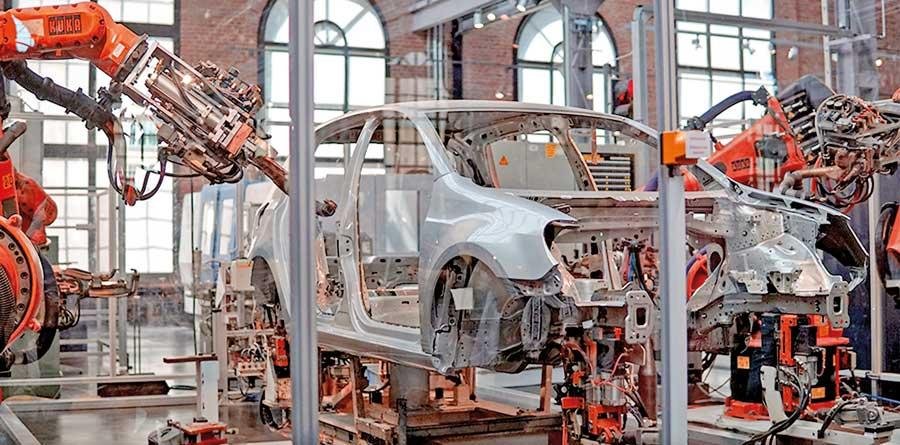
Local vehicle assembly expanded rapidly during the import ban years, attracting investors and building capabilities across passenger vehicles, SUVs and electric three-wheelers. Seventeen assembly plants now operate nationwide, with an equal number of prospective entrants signalling confidence in the market. Beyond output, the sector created skilled employment and stimulated upstream activities, from logistics to component manufacturing.
The reopening of imports, however, has shifted the competitive balance overnight. Imported vehicles arrive with price advantages rooted in scale and global sourcing, while domestic assemblers face higher per-unit costs.
Industry representatives argue that, without targeted incentives—such as differentiated excise structures or localisation-linked tax credits locally assembled vehicles will be crowded out, undermining sunk investments.