Sri Lanka’s Oil-Palm Ban Threatens Exports and Livelihoods
- CNL Reporter
- December 1, 2025
- Business News, News
- Oil-Palm, Sri Lanka
- 0 Comments
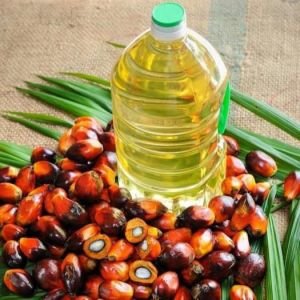
Sri Lanka’s extended ban on new oil-palm cultivation and crude palm oil (CPO) imports is emerging as a costly economic challenge, draining foreign exchange and crippling exports. Since April 2021, the country has spent over US$175 million importing edible oils to meet domestic demand, while the once-productive oil-palm sector remains largely inactive.
Board of Investment (BOI) manufacturers, which produce vanaspathi ghee, bakery shortening, CBS fats, and chocolate fats, have collectively incurred losses exceeding US$40 million after losing access to CPO in 2022. Export operations have stalled despite preferential access to India under the Indo–Sri Lanka Free Trade Agreement (ISFTA). Ironically, India has recently reopened the same import codes, creating demand for Sri Lankan processed products that local producers cannot meet.
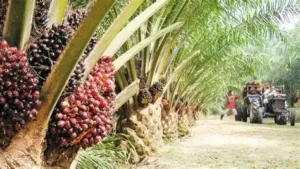
Industry stakeholders are urging the government to allow licensed CPO imports and lift the nationwide cultivation ban. They propose structured replanting, projecting edible-oil self-sufficiency and potential US$75 million annual export revenue within six years. Policy reform is seen as critical for the sector’s survival.